
Table of Contents
What Is Omnichannel Logistics and Why Is It Important for Businesses?
The first mainstream usage of the term is credited to the Harvard Business Review writer Darrell Rigby, who, in the December 2011 article, The Future of Shopping, wrote that the new phenomenon of companies combining online sales with traditional channels should have a new name: Omnichannel Retail.
Omnichannel logistics is the go-to strategy for every seller and retailer today. No product development life-cycle management strategy is complete without it having sufficient room for omnichannel marketing and logistics.
Even online marketplaces like Amazon, Flipkart, and Alibaba whose primary focus areas are online sales and logistics services make Omnichannel strategy an integral part of their marketing playbook. On the other hand, large traditional retailers like Walmart and Target have adopted effective omnichannel strategies to stay ahead in the ever-changing retail industry.
Therefore, traders and manufacturers need to understand the main fundamentals and the purpose of a logistics strategy designed to serve omnichannel sales, or in other words, the basic components of an omnichannel logistics strategy.
The Evolution of Omni-channel Logistics in Retail and E-commerce
The story of omnichannel logistics evolution is the story of the convergence of the e-commerce supply chain with that of traditional retailers. The e-commerce revolution that started in the early-to-mid 2000s with the emergence of Amazon, Airbnb and Uber, and picked up speed in the aftermath of the 2008 financial recession, took the retail world by storm due to an unexpected phenomenon – consumers worldwide and in India were willing to forego the essential element of touch-and-feel if they were promised fast, reliable deliveries at their doorstep.
Even so, it took a while for both ecommerce players and offline retailers to learn from each other. The logistics industry developed omnichannel solutions after aligning the many different priorities of the industry’s three main stakeholders – merchants or sellers, its third-party logistics service providers, and sales channels. For example, the main goals of traditional logistics strategy was to optimize cost and maximize fill rates. The right omnichannel strategy had to include a few more objectives such as a fast and reliable delivery mechanisms and improved responsiveness to demand.
The unstoppable rise of online marketplaces over the last decade meant that retailers in all major markets started to pay close attention to omnichannel logistics. That in order to compete and even hold onto their traditional turf they will have to match the speed of delivery and the wide range of product choices that online marketplaces. Innovations such as fulfilment centers designed specifically for online channel logistics, nearshoring or locating sortation hubs closer to the customer and last-mile delivery milk-runs are a few of the many innovations that the growth of omnichannel has produced.
Key Components of an Effective Omnichannel Logistics Strategy
It is imperative for every merchant to have an omnichannel logistic strategy in place, starting from the time of launching a product, if not earlier. Every step of a product’s go-to-market journey, from procurement to aftersales must factor in the company’s omnichannel strategy. The following areas must necessarily include considerations for all channels, online, offline and a mix of the two.
The transportation strategy should consider utilizing online channels for freight sourcing activities like reverse auction and spot bidding. It should also have a smart strategy in place for optimizing its last-mile logistics.
And possibly the most crucial area of logistics that needs to an integrated omnichannel strategy is warehousing. These include functions like warehousing design where one needs to decide whether to follow a hub-and-spoke model or a decentralized model based on one’s omnichannel presence (or lack thereof) in a region. Same is true for the corporate decision to have ecommerce-only distribution centers also known as fulfilment centers as part of the warehouse network.
Equally important are decisions pertaining to the type of technology to be used across the supply chain. Omnichannel logistics operations need the deployment of advanced e-commerce applications that can be seamlessly integrated with legacy software systems. It is nuanced decisions like these that can translate into huge savings or costs based on one’s knowledge of omnichannel trends.
How to Choose the Right Omnichannel Logistics Partner
Today’s manufacturers and sellers, big and small, have access to both online and physical marketplaces be it for B2B or B2C requirements. That is a good problem to have compared to facing the challenge of a paucity of distribution options, which was the case not very long ago.
However, the availability of different channels also brings forth problems of its own. The biggest one being the often-witnessed tendency of businesses and professionals to throw money at the problem of pricking the right solution. But that is a negative-sum game, where uninformed choices lead to lost sales and customers. The right course is to work with retail and e-commerce sector experts such as Apollo Supply Chain whose mission it is to help you navigate the market for omnichannel success.
Omnichannel Logistics: A Different Beast
Frequently Asked Questions (FAQ's)
What is omnichannel logistics?
Omnichannel logistics is a supply chain strategy that integrates inventory, warehousing, transportation, fulfillment, and returns across multiple sales channels, including e-commerce websites, marketplaces, retail stores, mobile apps, and social commerce platforms.
Why is omnichannel logistics important for retailers?
Omnichannel logistics helps retailers provide a seamless customer experience across online and offline channels. It improves order fulfillment speed, inventory visibility, customer satisfaction, and operational efficiency while reducing stockouts and delivery delays.
What is the difference between multichannel and omnichannel logistics?
Multichannel logistics manages different sales channels independently, while omnichannel logistics connects all channels through a unified inventory and fulfillment system. This enables customers to enjoy a consistent shopping experience regardless of where they purchase.
What are the key components of an omnichannel logistics strategy?
A successful omnichannel logistics strategy includes integrated inventory management, warehouse optimization, real-time order tracking, last-mile delivery, reverse logistics, demand forecasting, and technology-driven supply chain visibility.
How does warehousing support omnichannel logistics?
Warehousing plays a critical role in omnichannel logistics by enabling faster order processing, efficient inventory allocation, fulfillment across multiple channels, and improved delivery performance through strategically located distribution centers.
What challenges do businesses face when implementing omnichannel logistics?
Common challenges include inventory synchronization across channels, demand fluctuations, technology integration, order accuracy, returns management, and maintaining consistent customer experiences across online and offline touchpoints.
How does technology improve omnichannel operations?
Technologies such as Warehouse Management Systems (WMS), Transportation Management Systems (TMS), AI-driven forecasting, RFID, and real-time inventory tracking help businesses improve visibility, optimize fulfillment, and enhance operational efficiency.
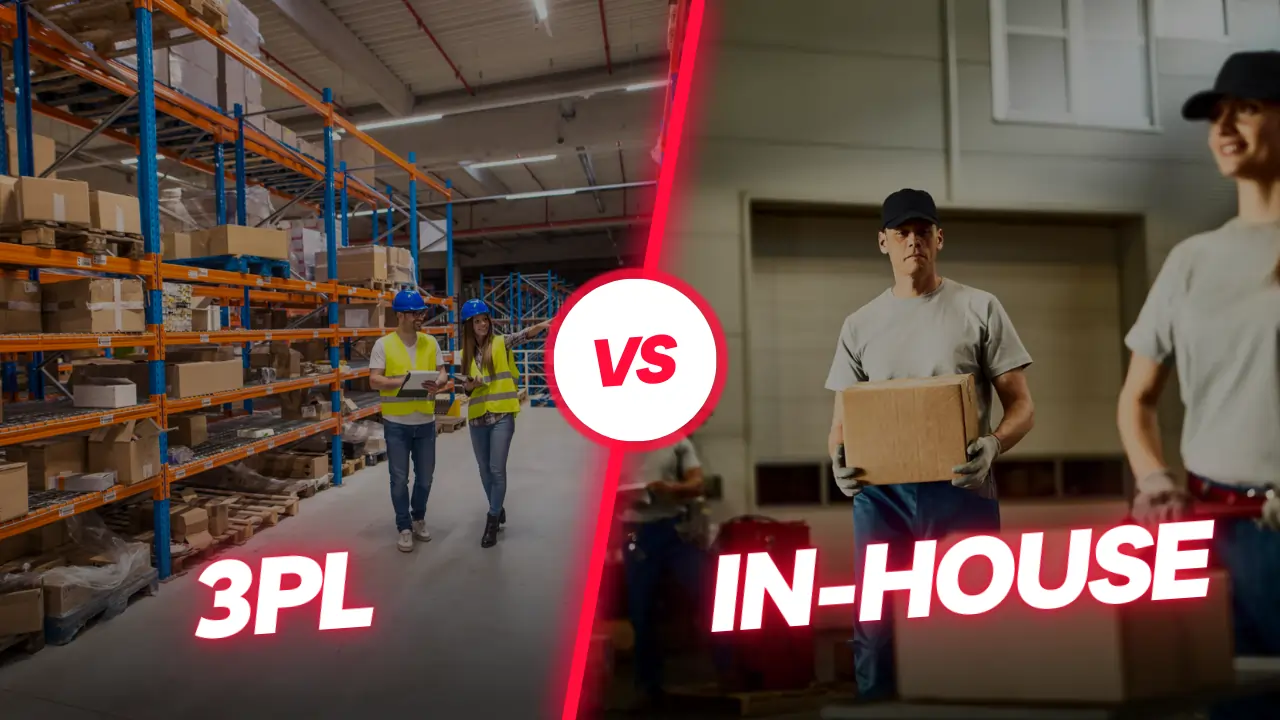
How can a third-party logistics (3PL) provider support omnichannel fulfillment?
A 3PL provider helps businesses manage warehousing, inventory, order fulfillment, transportation, last-mile delivery, and returns across multiple sales channels, enabling faster scaling and better customer experiences.
What are the benefits of omnichannel logistics for e-commerce businesses?
Omnichannel logistics improves delivery speed, inventory accuracy, order fulfillment efficiency, customer satisfaction, and revenue growth while providing customers with flexible purchasing and delivery options.
How do companies measure the success of an omnichannel strategy?
Businesses typically track metrics such as order fulfillment rate, inventory accuracy, delivery timelines, return processing speed, customer satisfaction scores, and overall supply chain costs.