
A Direct-to-Consumer (D2C) sales strategy, supported by a strong logistics network, can be a powerful differentiator for manufacturers and brands.
Thanks to the advent of the internet and the emergence of digital technologies, manufacturers and suppliers, for the first time ever, have direct access to consumer markets. Producers and suppliers of most products and their raw materials, be that of bulk chemicals, polymers, machinery, machine parts, or automotive parts have the option to take their products, solutions, and aftermarket services to consumers, with or without the support of market intermediaries.
Table of Contents
What Is the D2C Business Model and Why Is It Growing?
The D2C business model is a relatively new entrant into the marketplace. The rise of the internet and its wider availability at the turn of the millennium brought suppliers from across the world to the web in search of local and international customers who existed outside the former’s own trading ecosystems. But the markets took time to warm up to the trend. The success of B2B marketplaces like Alibaba encouraged manufacturers worldwide in bringing their marketing and sales activities online.
The pandemic years caused a big shift worldwide in consumer behaviour toward online shopping. A UNCTAD survey “Covid-19 and E-commerce” conducted in 2020, covering over 3,700 consumers across nine economies including Brazil, China, South Africa, Switzerland and Turkey showed that consumer preferences across major product categories including electronics, pharmaceuticals, education, household products and personal care moved toward online sales channels.
Why Brands Are Investing in Direct-to-Consumer (D2C) Channels
The apparent shift to digital, seen across countries and product categories, has not gone unnoticed by manufacturers.
Today all leading OEMs across industry sectors have an online D2C presence. Their investments into D2C and the development of its logistics are not only paying off in terms of revenue, but they have also helped bolster their brand equity. Notable in this space are automotive, FMCG and consumer electronics companies.
Leading Indian and international brands such as Nestle, ITC and Britannia Industries have a prominent D2C presence. Hindustan Unilever, for example, last year launched UShop, a multi-brand shopping platform to sell its products directly to consumers based in NCR and Mumbai.
Similarly, electronic majors liken Samsung and LG have ramped up their D2C presence in India. Large automotive OEMs like Maruti and Mahindra and Mahindra have integrated D2C into their marketing and logistics strategies. This is, therefore, a good time for manufacturers and dealers across supply chains to adopt an effective D2C strategy.
Key Components of a Successful D2C Logistics Strategy
D2C is an evolving area and so are its logistics and supply chain methodologies. They typically deploy best practices that retailers follow, with the exception that it is the producer or the manufacturer that directly or through a logistics service provider manages order fulfillment, delivery, aftersales, reverse logistics and other important supply chain operations.
Key elements of D2C logistics include inventory management, warehousing, order fulfillment, last-mile delivery, reverse logistics, real-time order tracking, and customer support. Together, these functions help brands deliver a seamless buying experience while maintaining operational efficiency across the supply chain.
Another notable feature is that a manufacturer’s D2C presence reveals to its customers the strengths or the weaknesses of its supply chain infrastructure. In other words, a D2C customer will typically associate the manufacturer’s fulfillment capabilities like delivery speed, packaging, and tracking as a part of the former’s core offerings.
Also, as manufacturers are increasingly discovering, D2C presence provides the consumer with a direct experience of the company’s approach to quality and reliability, its values, aesthetics, and environmental sensitivity. Therefore, it is important that your D2C website needs to make it easy and exciting for your customers to connect with you. It needs to be much more than a product showcasing platform. It is a way of sharing your brand experience with the consumers. It also serves as a platform for delivering a more customized experience.
A Deloitte survey says that well-executed personalization can deliver up to eight times the return on investment on marketing spend and lift sales by ten percent or more. It is for the aforesaid reasons that choosing the right partner for D2C logistics is crucial to the success of your D2C strategy.
Reverse logistics is another critical component of D2C operations. Modern consumers expect hassle-free returns, exchanges, and refunds. An efficient reverse logistics process not only improves customer satisfaction but also helps businesses reduce operational costs, recover product value, and strengthen customer loyalty.
Benefits of D2C Logistics for Manufacturers and Brands
A well-executed D2C logistics strategy offers significant advantages for manufacturers and brands looking to strengthen their market presence and customer relationships.
Greater Control Over Customer Experience
D2C logistics enables brands to manage every stage of the customer journey, from order placement and packaging to delivery and returns. This level of control helps ensure a consistent brand experience and higher customer satisfaction.
Access to First-Party Customer Data
Unlike traditional retail channels, D2C allows businesses to collect valuable customer insights, including purchasing behavior, preferences, and feedback. This data can be used to improve products, personalize marketing campaigns, and enhance customer retention.
Improved Profit Margins
By reducing dependency on intermediaries such as distributors and retailers, manufacturers can improve profit margins while maintaining greater control over pricing strategies and promotional activities.
Faster Market Feedback
Direct interactions with customers enable brands to gather real-time feedback on products and services. This helps businesses respond quickly to changing consumer preferences and market trends.
Stronger Brand Loyalty
A seamless D2C fulfillment experience, supported by reliable logistics, order tracking, and responsive customer service, helps build trust and encourages repeat purchases.
Enhanced Supply Chain Visibility
Modern D2C logistics solutions provide end-to-end visibility into inventory, order status, and delivery performance. This enables businesses to make informed decisions and optimize their supply chain operations.
Conclusion
D2C offers several significant advantages for manufacturers and brands. It creates a channel that complements traditional sales networks while enabling businesses to build direct, one-to-one relationships with consumers. A D2C presence also serves as a valuable counterbalance to conventional distribution and retail channels, where products often compete with numerous alternatives for customer attention.
By combining the right strategy with a reliable supply chain and logistics partner, brands can deliver better customer experiences, strengthen loyalty, and gain greater control over their market presence. Offered at the right time and through the right channels, D2C can be a powerful differentiator that drives long-term growth and customer engagement.
The D2C Advantage: How Logistics Helps Brands Reach Consumers Directly
Frequently Asked Questions (FAQ's)
What is Direct-to-Consumer (D2C) logistics?
D2C logistics refers to the process of storing, fulfilling, shipping, and delivering products directly from a manufacturer or brand to the end consumer. It includes inventory management, warehousing, order fulfillment, last-mile delivery, and returns management.
How is D2C different from traditional retail distribution?
In traditional retail distribution, products move through distributors, wholesalers, and retailers before reaching consumers. In a D2C model, brands sell directly to customers, giving them greater control over pricing, customer experience, and fulfillment operations.
What are the benefits of D2C logistics for manufacturers?
D2C logistics enables manufacturers to build direct customer relationships, improve profit margins, collect valuable customer insights, strengthen brand loyalty, and gain greater visibility into consumer demand.
Why is logistics important for a D2C business model?
Efficient logistics is essential for D2C success because it directly impacts delivery speed, order accuracy, customer satisfaction, and brand reputation. A strong logistics network helps ensure a seamless customer experience.
What are the key components of a successful D2C logistics strategy?
A successful D2C logistics strategy includes inventory management, warehousing, order fulfillment, last-mile delivery, reverse logistics, real-time order tracking, and customer support.
What challenges do brands face when implementing D2C logistics?
Common challenges include managing inventory efficiently, meeting customer delivery expectations, handling product returns, maintaining supply chain visibility, and scaling fulfillment operations during periods of high demand.
How does reverse logistics support D2C operations?
Reverse logistics manages product returns, exchanges, and refunds. An efficient reverse logistics process improves customer satisfaction, reduces operational costs, and helps brands retain customer trust.
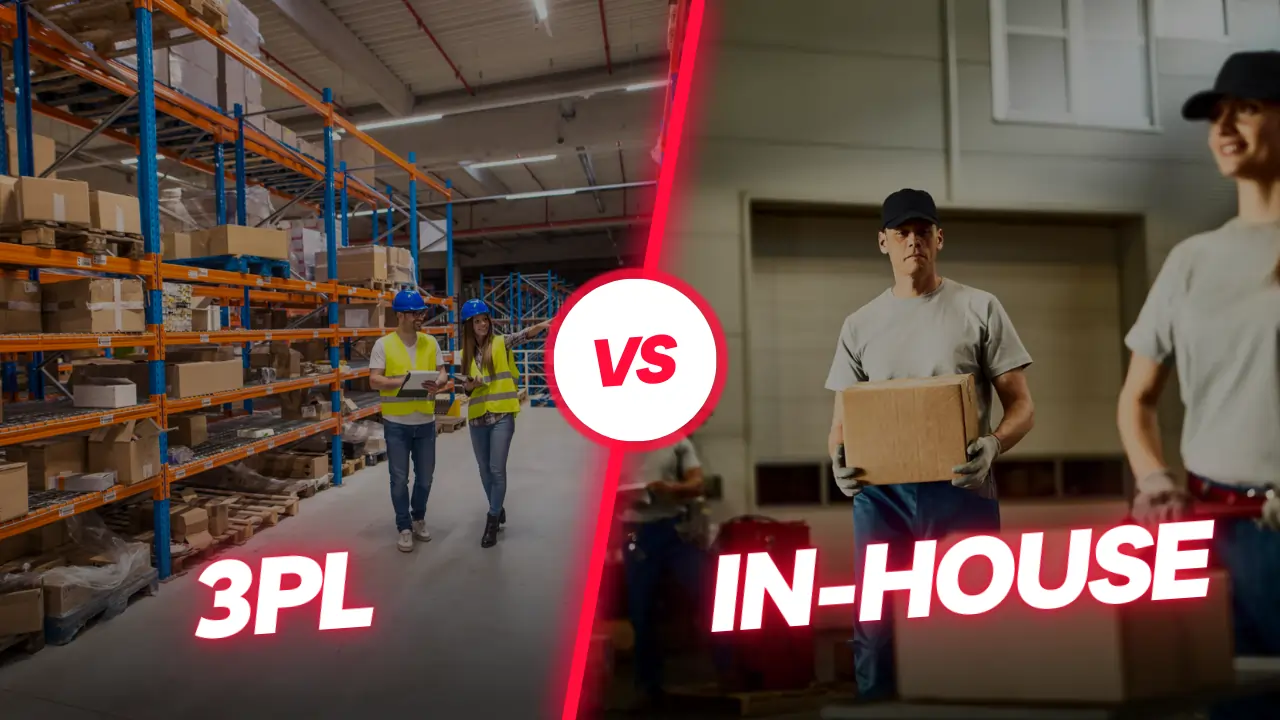
How can a third-party logistics (3PL) provider support D2C brands?
A 3PL provider can manage warehousing, fulfillment, transportation, order tracking, and returns on behalf of D2C brands, helping businesses scale efficiently while focusing on customer acquisition and growth.
Which industries benefit the most from D2C logistics?
Industries such as FMCG, consumer electronics, fashion, beauty, healthcare, automotive aftermarket, and home products commonly use D2C logistics to reach consumers directly and improve customer engagement.
How does D2C logistics improve customer experience?
D2C logistics enables faster deliveries, accurate order fulfillment, real-time tracking, personalized packaging, and efficient returns, all of which contribute to a better overall customer experience.