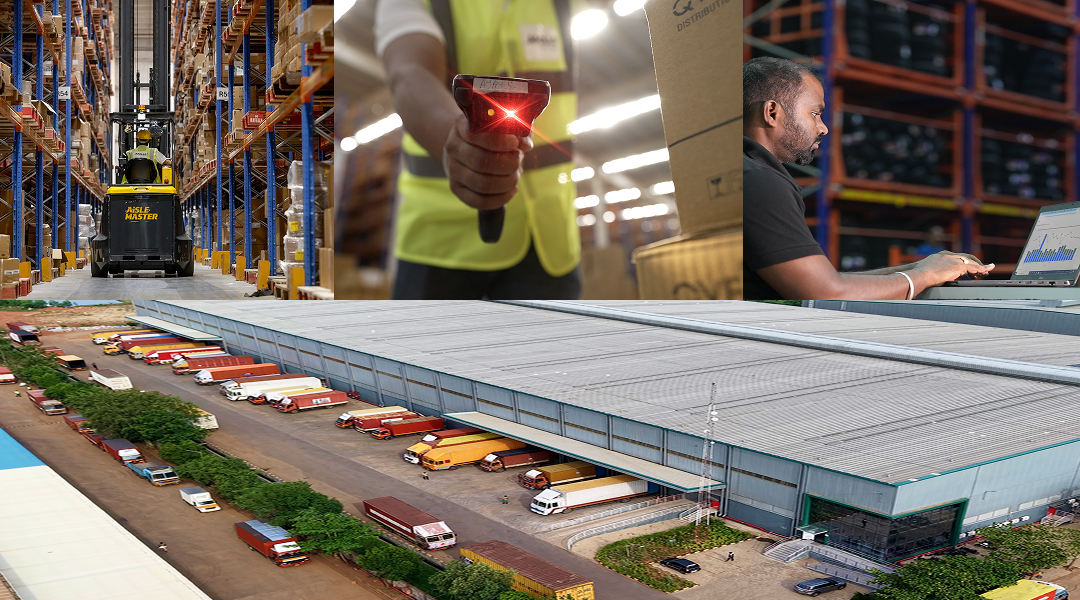
A few years ago, it was common for businesses to manage different parts of their supply chain through separate service providers. One company handled warehousing, another managed transportation, while inventory visibility and fulfilment often relied on different systems altogether.
While this model worked for many organizations, it also created operational silos. Information moved slowly between stakeholders, visibility was limited, and scaling operations often meant adding more complexity rather than improving efficiency.
As supply chains become larger and customer expectations continue to evolve, businesses are increasingly looking for ways to connect these functions through a single operating framework. This shift is driving the growing adoption of integrated supply chain solutions across industries in India.
Many organizations are also re-evaluating the role of their supply chain partners and looking for supply chain management companies that can support long-term growth through connected and scalable operating models.
The Challenge of Managing Fragmented Supply Chains
Most businesses do not struggle because of a lack of logistics providers. The challenge often comes from managing multiple vendors, disconnected systems, and limited operational visibility.
For example, warehousing teams may not have real-time visibility into transportation schedules. Distribution teams may be working with different data than inventory planners. Customer service teams may not have accurate information about order status or stock availability.
Over time, these disconnects can lead to:
- Inventory inaccuracies
- Delayed order fulfilment
- Higher operating costs
- Communication gaps
- Reduced customer satisfaction
- Difficulty scaling operations
Many organizations also explore models such as client-site warehousing to improve coordination between inventory, production, and distribution operations while reducing unnecessary handling and movement.
As businesses grow, these challenges become increasingly difficult to manage through traditional logistics models.
What are Integrated Supply Chain Solutions?
Integrated supply chain solutions bring multiple supply chain functions together under a connected operating model.
Instead of managing warehousing, transportation, inventory management, fulfilment, and distribution as separate activities, businesses create a coordinated ecosystem where information, processes, and operations work together.
An integrated supply chain approach may include:
- Warehousing and inventory management
- Transportation and distribution
- Order fulfilment operations
- Supply chain planning
- Technology-enabled visibility
- Reporting and analytics
- Third-party logistics services
The goal is not simply to move products more efficiently. It is to create greater visibility, control, and agility across the entire supply chain.
Why Businesses are Making the Shift
Better Visibility Across Operations
One of the biggest advantages of integrated supply chain management is improved visibility.
When inventory, warehousing, transportation, and fulfilment operations are connected, businesses gain access to more accurate and timely information. This enables teams to make faster decisions and respond more effectively to operational challenges.
Improved Inventory Control
Inventory is often one of the largest working capital investments for any business.
Integrated supply chain operations help organizations improve inventory accuracy, reduce stock discrepancies, and maintain better control over inventory movement across locations.
This visibility can help reduce both stockouts and excess inventory while supporting more efficient replenishment planning.
Faster Decision-Making
Disconnected systems often slow down decision-making because information must be gathered from multiple sources.
An integrated approach provides a more complete operational view, allowing businesses to identify issues earlier and take corrective action before they impact customers or operations.
Greater Scalability
Many organizations reach a stage where their existing logistics model struggles to support growth.
Adding new warehouses, expanding into new regions, or increasing order volumes can place significant pressure on fragmented supply chain structures.
Integrated supply chain solutions provide a more scalable foundation that supports growth without requiring businesses to constantly redesign operational processes.
Consistent Customer Experience
Customers rarely distinguish between warehousing, transportation, and fulfilment operations. They simply expect products to be available and delivered on time.
Integrated supply chain operations help create a more consistent customer experience by improving coordination across every stage of the order journey.
Industries Driving Adoption in India
The adoption of integrated supply chain solutions is accelerating across multiple sectors.
Automotive
Automotive supply chains involve complex supplier networks, production schedules, and inventory requirements. Many businesses are investing in stronger automotive supply chain management capabilities to improve visibility and operational efficiency.
Retail & E-commerce
Retail and e-commerce businesses operate in highly dynamic environments where demand patterns can change rapidly. Integrated supply chain models help support faster fulfilment and better inventory management across multiple channels.
Industrial Manufacturing
Manufacturers increasingly rely on connected supply chain operations to improve material flow, production planning, and distribution efficiency.
FMCG
Fast-moving consumer goods companies require reliable inventory movement and distribution networks capable of supporting high-volume operations.
Consumer Electronics
Product launches, seasonal demand fluctuations, and inventory complexity make integrated supply chain management particularly valuable for consumer electronics businesses.
The Role of Technology in Integrated Supply Chains
Technology has become a critical enabler of modern supply chain operations.
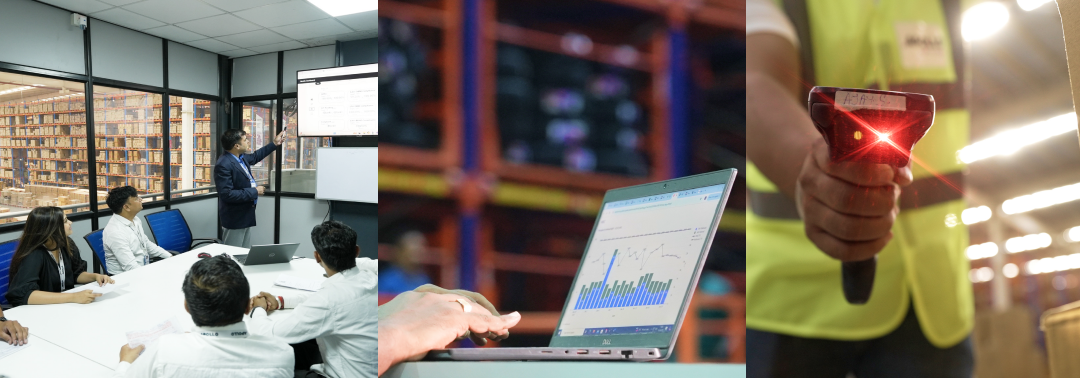
Businesses today expect greater visibility than traditional reporting systems can provide. They want access to operational insights that help them monitor inventory, track shipments, evaluate performance, and identify potential issues before they become larger problems.
Modern supply chain ecosystems increasingly rely on:
- Real-time inventory visibility
- Transportation tracking
- Analytics and reporting dashboards
- Operational performance monitoring
- Demand planning tools
- Automated workflows
Technology alone is not a supply chain strategy, but it plays an important role in supporting more informed and data-driven decision-making.
Choosing the Right Supply Chain Partner
Moving toward an integrated model requires more than simply consolidating service providers.
Businesses should evaluate potential partners based on their ability to support long-term operational goals.
Some important considerations include:
Industry Expertise
A strong understanding of industry-specific requirements can significantly improve execution quality and operational performance.
Infrastructure & Network Reach
Warehousing locations, transportation capabilities, and distribution coverage should align with current and future business requirements.
Technology Capabilities
Visibility, reporting, analytics, and operational transparency have become increasingly important selection criteria.
Scalability
The ability to support growth without disrupting operations is often a key factor when evaluating supply chain partners.
Operational Reliability
Consistency, communication, and execution standards frequently have a greater long-term impact than short-term cost savings.
Businesses evaluating different providers may also find it useful to compare the capabilities of the top supply chain and logistics companies in India before making a decision.
Final Thoughts
As businesses expand across regions, channels, and customer segments, supply chains become increasingly complex to manage through disconnected systems and multiple service providers.
Integrated supply chain models help organizations improve visibility, strengthen coordination, and build more scalable operations capable of supporting long-term growth.
Rather than treating warehousing, transportation, fulfillment, and inventory management as separate functions, many organizations are bringing these activities together through integrated supply chain solutions designed to improve efficiency and operational performance across the entire value chain.
Businesses that invest in connected and agile supply chain operations today are often better positioned to respond to changing market conditions, improve customer experience, and support sustainable growth in the years ahead.
Frequently Asked Questions (FAQ's)
What are integrated supply chain solutions?
Integrated supply chain solutions connect warehousing, transportation, inventory management, fulfillment, distribution, and technology systems into a coordinated operational framework that improves visibility and efficiency.
What are the benefits of integrated supply chain management?
Some of the key benefits include improved visibility, better inventory control, faster decision-making, increased scalability, and a more consistent customer experience.
Which industries benefit from integrated supply chain solutions?
Industries such as automotive, retail & e-commerce, FMCG, industrial manufacturing, consumer electronics, and healthcare frequently use integrated supply chain models to improve operational performance.
How do integrated supply chain solutions improve visibility?
By connecting different supply chain functions through shared systems and processes, businesses gain access to more accurate operational data, inventory information, and performance insights.
How do businesses choose the right supply chain partner?
Businesses typically evaluate partners based on industry expertise, infrastructure scale, technology capabilities, geographic reach, operational reliability, and the ability to support future growth.