Table of Contents
A supply chain rarely becomes complicated overnight.
As a business grows, more suppliers, warehouses, transportation partners, inventory locations, sales channels and customers are added to the operating model. What may have started as a straightforward process can gradually become a network of disconnected activities, systems and stakeholders.
Warehousing may be managed separately from transportation. Inventory information may sit in different systems. Order fulfilment teams may have limited visibility into what is happening upstream or downstream.
Each function may work reasonably well on its own, yet the overall supply chain can still become difficult to manage.
This is why businesses are increasingly looking at integrated supply chain solutions that connect different functions through a more coordinated operating model. Instead of treating warehousing, transportation, inventory, fulfillment and distribution as separate activities, an integrated approach brings them together to improve visibility, coordination and operational control.
For businesses operating across multiple locations and channels in India, this can provide a stronger foundation for managing growth and responding to changing customer expectations.
Why fragmented Supply Chains become difficult to manage
Using different providers or systems for different supply chain activities is not necessarily a problem. In many cases, specialization can be useful.
The challenge begins when those activities are not sufficiently connected.
A warehouse team may not have timely information about incoming transportation schedules. Inventory planners may work with data that does not reflect the latest movement of stock. Customer service teams may have limited visibility into an order once it leaves the fulfilment process.
These gaps can create operational issues such as:
- Inventory discrepancies
- Delayed order fulfilment
- Communication gaps between teams
- Limited shipment visibility
- Higher operating costs
- Difficulty responding to changes in demand
- Inconsistent customer experience
As the number of locations, products and transactions increases, managing these connections manually becomes increasingly difficult.
An integrated supply chain addresses this challenge by creating stronger links between the functions that influence how products move from suppliers to customers.
What are integrated Supply Chain Solutions?
Integrated supply chain solutions bring multiple supply chain functions together through a connected operating framework.
Rather than managing warehousing, transportation, inventory management, fulfilment and distribution as completely separate activities, businesses coordinate these functions around shared processes, information and operational objectives.
Depending on the business model, an integrated supply chain may include:
- Warehousing and inventory management
- Transportation and distribution
- Order fulfilment
- Supply chain planning
- Third-party logistics services
- Technology-enabled visibility
- Analytics and performance monitoring
The objective is not simply to combine services under one provider.
A genuinely integrated model is about improving how different parts of the supply chain work together.
When information flows more effectively between functions, businesses can identify issues earlier, make better decisions and respond to operational changes with greater agility.
Key benefits of integrated supply chain management
1. Better Supply Chain Visibility
One of the biggest advantages of an integrated operating model is greater visibility.
When inventory, warehousing, transportation and fulfilment activities are connected, businesses can develop a clearer view of what is happening across their network.
This can help teams monitor inventory movement, shipment status, order fulfilment and operational performance without relying on disconnected information from multiple sources.
Better visibility also makes it easier to identify exceptions and respond before a small operational issue becomes a larger customer or cost problem.
2. Improved Inventory Control
Inventory decisions are closely connected to purchasing, warehousing, demand and distribution.
When these activities operate in isolation, businesses can find it difficult to maintain an accurate picture of inventory across locations.
An integrated approach can improve coordination between inventory planning, warehouse operations and distribution. This can support better stock accuracy, replenishment planning and inventory movement.
The objective is to maintain the right level of inventory without unnecessarily tying up working capital or creating avoidable stockouts.
3. More Efficient Operations
Supply chain efficiency does not depend on improving one activity in isolation.
For example, a warehouse may operate efficiently, but if transportation planning is poorly coordinated, the overall operation can still experience delays.
Integration allows businesses to look at these activities as connected processes. Better coordination between warehousing, transportation, fulfilment and distribution can reduce unnecessary handoffs and improve the flow of goods across the network.
4. Faster and Better Decision-Making
Disconnected information can slow down decision-making.
Teams may need to collect data from different systems, reconcile information manually and communicate with multiple stakeholders before understanding what is happening.
An integrated supply chain management approach creates a more complete operational view. With timely information and connected processes, decision-makers can identify bottlenecks, respond to exceptions and make operational adjustments more quickly.
5. Greater Scalability
A supply chain that works for a small operation may not work equally well when the business expands.
Entering new markets, adding warehouses, increasing order volumes or serving multiple sales channels can put considerable pressure on existing processes.
Integrated supply chain solutions provide a more connected framework for managing this growth. Instead of adding new processes every time the business expands, organizations can build on an operating model designed to accommodate greater complexity.
6. More Consistent Customer Experience
Customers do not see the individual functions behind an order.
They see whether a product is available, whether the order is processed correctly and whether it reaches them when expected.
That makes coordination across the supply chain particularly important.
By connecting inventory, fulfilment, warehousing and transportation, businesses can create a more consistent order journey and improve their ability to meet customer expectations.
Industries adopting Integrated Supply Chain models in India
The need for connected supply chain operations varies by industry, but several sectors face particularly complex logistics and distribution requirements.
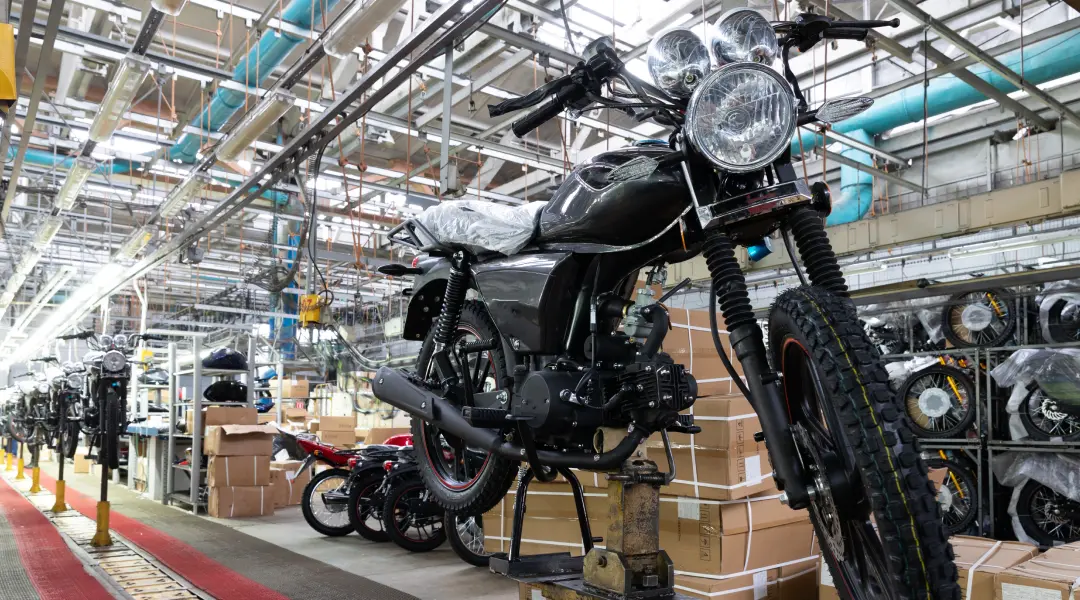
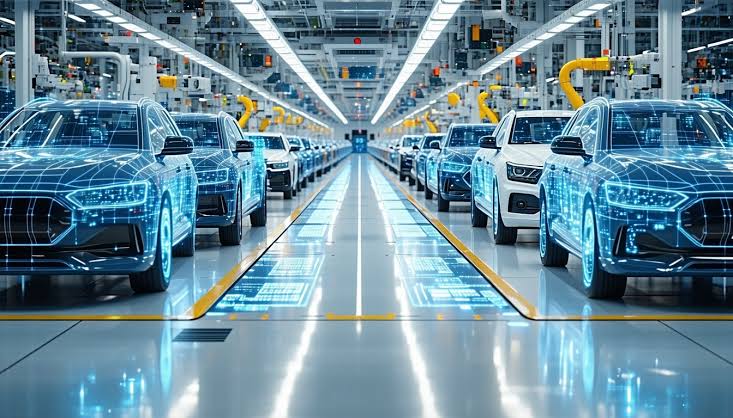
Automotive
Automotive supply chains involve multiple suppliers, production schedules, components, spare parts and distribution requirements.
Connected supply chain operations can help businesses improve coordination between material movement, warehousing, inventory and transportation while maintaining visibility across the network.
Retail and E-commerce
Retail and e-commerce businesses need to manage changing demand, multiple channels, inventory availability and increasingly shorter fulfilment expectations.
An integrated approach can connect inventory, warehousing, order processing and transportation to support more responsive fulfilment across different channels.
Industrial Manufacturing
Industrial businesses often manage complex sourcing networks, production requirements and distribution operations.
Integration can improve coordination between material availability, warehouse operations, transportation and downstream distribution.
FMCG
FMCG supply chains operate at high volumes and depend on consistent product availability and distribution.
Connected inventory and distribution processes can help businesses manage stock movement and maintain service levels across wider networks.
Consumer Electronics
Consumer electronics businesses often deal with product launches, seasonal demand, multiple SKUs and changing market requirements.
An integrated model can provide better coordination between inventory, warehousing, fulfilment and distribution while improving visibility across the network.
The role of technology in Integrated supply chains
Technology is an important enabler of supply chain integration, but it is not the integration itself.
A business can implement multiple technology platforms and still have disconnected processes if the systems do not support the way its supply chain operates.
Modern supply chain ecosystems increasingly use technology to improve areas such as:
- Inventory visibility
- Transportation tracking
- Warehouse management
- Performance monitoring
- Analytics and reporting
- Demand planning
- Exception management
- Operational workflows
The value comes from connecting relevant information and making it available to the people responsible for supply chain decisions.
For example, better visibility into inventory and transportation can help teams understand not only where stock is located, but also how its movement may affect fulfilment and customer commitments.
In this way, technology supports a more connected and data-driven supply chain.
What to look for in a supply chain solutions company
Choosing an integrated supply chain partner requires more than comparing the number of services a provider offers.
Businesses should consider whether the partner can connect those services into an operating model that fits their requirements. For example, a supply chain partner, along with supply chain consulting capabilities, should be able to provide warehouse management, transportation, fulfilment, 3PL & contract logistics, connected by technology & analytics.
Industry Understanding
Supply chain requirements differ significantly between automotive, retail, e-commerce, industrial manufacturing, consumer electronics and other sectors.
A partner with relevant industry experience can better understand operational constraints and customer requirements.
Network and Infrastructure
The partner’s warehousing footprint, transportation capabilities and distribution network should support both current requirements and future expansion.
Technology and Visibility
Businesses should evaluate how a partner uses technology to provide inventory visibility, shipment tracking, analytics, reporting and operational transparency.
Scalability
The right partner should be capable of supporting changes in volumes, locations, products and distribution requirements without creating unnecessary operational disruption.
Operational Reliability
Integration ultimately depends on execution.
Clear communication, consistent processes, reliable service levels and effective coordination between teams are essential for an integrated operating model to work in practice.
Building a more connected supply chain
Integration does not necessarily mean that every supply chain activity has to be managed by a single provider.
The more important question is whether the different functions work together effectively.
A business may use specialized partners for particular activities while still maintaining connected processes, shared visibility and coordinated decision-making.
The right model depends on the company’s products, markets, network structure and growth plans.
For some businesses, integration may begin by connecting inventory and warehouse operations. For others, the priority may be linking fulfilment with transportation or improving visibility across multiple logistics partners.
What matters is creating a supply chain in which decisions in one part of the network can be understood in the context of the wider operation.
How Apollo Supply Chain supports integrated supply chain Operations
Apollo Supply Chain helps businesses build and manage connected supply chain operations across warehousing, transportation, 3PL, inventory management and distribution.
Its capabilities include warehouse management, transportation, fulfilment, 3PL and contract logistics, supported by technology, analytics and supply chain consulting capabilities.
By bringing these capabilities together, businesses can work toward greater visibility, better coordination and a more scalable supply chain operating model.
For organizations evaluating ways to connect their logistics and supply chain functions, Apollo Supply Chain’s integrated 3PL solutions can support the movement of goods across different stages of the supply chain while helping businesses build greater operational control.
Final Thoughts
As supply chains expand across regions, channels and customer segments, managing each activity independently can make the overall operation harder to control.
Integrated supply chain solutions provide a way to connect these functions and create greater visibility across the movement of goods, inventory and information.
The objective is not integration for its own sake. It is to create a supply chain that can respond more effectively to changing demand, operational challenges and business growth.
For businesses in India, the ability to connect warehousing, transportation, inventory, fulfilment and distribution can become an important part of building a more agile and scalable supply chain.
Frequently Asked Questions (FAQs)
What are integrated supply chain solutions?
Integrated supply chain solutions connect functions such as warehousing, transportation, inventory management, fulfilment and distribution through coordinated processes, information and technology.
What are the benefits of integrated supply chain management?
Key benefits include better supply chain visibility, improved inventory control, more efficient operations, faster decision-making, greater scalability and a more consistent customer experience.
Which industries benefit from integrated supply chain solutions?
Automotive, retail and e-commerce, industrial manufacturing, FMCG and consumer electronics are among the industries that can benefit from more connected supply chain operations.
How do integrated supply chain solutions improve visibility?
They connect information across different supply chain functions, helping businesses gain a clearer view of inventory, shipments, fulfilment and operational performance.
Does an integrated supply chain require one logistics provider?
Not necessarily. Businesses can work with multiple specialized providers while maintaining connected processes, shared visibility and coordinated operations.
What should businesses look for in a supply chain solutions company?
Important considerations include industry expertise, infrastructure and network reach, technology capabilities, scalability, visibility and operational reliability.
How does technology support supply chain integration?
Technology can connect operational data, improve inventory and shipment visibility, support analytics and reporting, and help teams make faster, more informed decisions.